 Fashiontrendsforher
The world of Japanese clothing is a fascinating tapestry woven from centuries-old traditions and contemporary creativity. From the regal elegance of the kimono to the bold flair of sukajan jackets seen in modern urban centers, Japanese fashion bridges eras and influences with remarkable artistry and adaptability.
The legacy of japanese traditional clothing
Long before Tokyo's vibrant districts shaped global street style, japanese traditional clothing established distinct standards for beauty, practicality, and social expression. Rooted in ancient customs, these garments continue to inspire both ceremonial occasions and everyday life.
Centuries ago, clothing choices signified status, profession, and personal philosophy. Elaborate designs and meticulously crafted fabrics made each item not only functional but also meaningful. Today, many of these styles are still worn at festivals, weddings, or in specialized arts like tea ceremonies and martial arts, demonstrating the enduring influence of traditional attire.
Kimono: an enduring symbol
No garment embodies Japanese heritage quite like the kimono. Characterized by sweeping sleeves, a straight-cut silhouette, and careful layering, the kimono remains central to special events and cultural celebrations. Its patterns often reflect nature—such as cherry blossoms or ocean waves—symbolizing harmony with the environment.
Traditional techniques passed down through generations ensure that the silk, brocade, and dyes used in kimonos showcase exceptional Japanese craftsmanship. Modern designers sometimes reinterpret these elements, bringing fresh energy to classic forms while honoring their origins.
Hakama and haori: versatile companions
The hakama, recognized for its pleated skirt-like structure, was originally worn by nobles and later became a staple among samurai. Today, it is commonly paired with the kimono during graduation ceremonies and martial arts demonstrations, signifying respect and discipline. Its adaptable design makes it suitable for both men’s clothing and women’s wardrobes.
The haori, a short jacket worn over the kimono, delivers practical elegance. Its understated style allows for individual expression, whether in formal gatherings or daily situations. Many haoris feature subtle family crests or geometric patterns—details that quietly tell stories about their wearers.
The rise of japanese streetwear and modern fashion
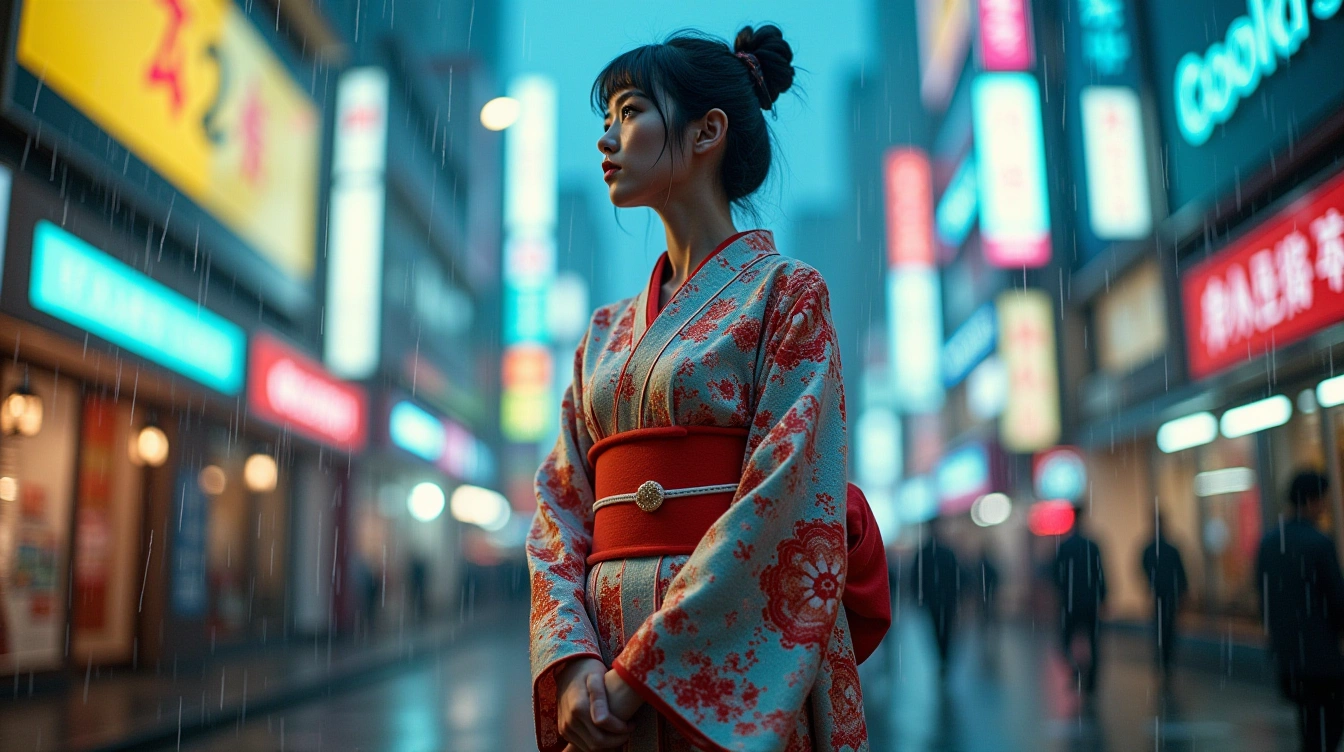
From bustling Shibuya crossings to international runways, japanese streetwear has reshaped perceptions of style worldwide. Unlike traditional attire, this movement thrives on creative rebellion, experimentation, and playful subversion of established norms. Those interested in learning more about Japanese fashion trends can visit https://kimurakami.com/ for additional information.
Contemporary japanese fashion is distinguished by daring combinations. Oversized silhouettes, unexpected fabric mixes, and eye-catching accessories dominate the streets, attracting global attention. Unique approaches to layering and genderless cuts foster an inclusive and ever-evolving scene.
Sukajan jackets and urban cool
Sukajan jackets capture the spirit of post-war Japan blended with American influences. With lustrous satin bodies, intricate embroidery—often depicting tigers, dragons, or floral motifs—and contrasting sleeves, sukajan jackets have earned cult status. They are favorites among devoted fans of japanese streetwear and have become iconic symbols in youth subcultures.
This blend of East meets West offers more than just aesthetics; it tells stories of resilience and adaptation. These jackets frequently appear in stylized photoshoots and pop culture, making them must-haves for collectors and trendsetters alike.
Influence of japanese brands and craftsmanship
Modern japanese brands have revolutionized daily wardrobe staples by combining innovative textile technology with age-old principles of quality. Subtle detailing, artisanal dyeing methods, and careful tailoring define the work of these labels, earning them dedicated followers both domestically and abroad.
Japanese craftsmanship ensures each piece—whether a minimalist tee or structured menswear—balances comfort, durability, and individuality. Designers often reference historical garments, channeling the spirit of the kimono or haori into modern collections, while respecting environmental and ethical practices.
The diversity of men's clothing in japan
In Japan, men’s clothing covers a broad spectrum, seamlessly transitioning from dignified traditional ensembles to cutting-edge, experimental outfits. Young professionals may choose understated suits reflecting a conservative style, while others boldly experiment with proportions, textures, and colors.
Both ends of the spectrum value fine materials and precise construction. Classic items such as tailored blazers coexist with street-inspired looks featuring baggy pants or artful layering—a nod to the interplay between history and current trends in Japanese fashion.
- Kimono: worn for celebrations and formal occasions
- Hakama: favored for martial arts and academia
- Haori: stylish layered outerwear for any gender
- Contemporary streetwear: mixing prints, layers, and accessories
- Technical sportswear: suited for active lifestyles
Navigating materials, symbols, and seasonal variations
Choosing Japanese clothing often means considering factors beyond appearance. Materials play a key role, with silk, cotton, and linen dominating traditional options, while synthetics and blends gain popularity in streetwear and modern pieces. Seasonal changes—lighter textiles for hot summers and insulated layers for cold winters—influence clothing choices throughout the year.
Symbols sewn or printed onto garments tell stories or convey aspirations. Cranes represent longevity, while waves symbolize perseverance. Colors might denote marital status, age, or festival mood, turning everyday dress into an act loaded with meaning.
| Season | Preferred Materials | Typical Garments |
|---|---|---|
| Spring | Cotton, Silk | Lightweight kimono, casual jackets |
| Summer | Linen, Hemp | Yukata, open shirts, relaxed trousers |
| Autumn | Wool, Blends | Layered haori, sweaters, vests |
| Winter | Thick Cotton, Synthetics | Padded coats, lined hakama, scarves |
Essential questions about japanese clothing explained
What defines the difference between a kimono and a yukata?
The main distinction lies in the material and when they are worn. A kimono uses heavier fabrics like silk and includes multiple layers, mostly reserved for formal settings. A yukata, by contrast, is crafted from lighter cotton or linen and worn at summer festivals or as lounge wear.
- Kimono: silk, multi-layered, formal events
- Yukata: cotton, single layer, casual & summer use
| Feature | Kimono | Yukata |
|---|---|---|
| Material | Silk | Cotton/Linen |
| Occasion | Ceremonial | Festivals/Casual |
Why do some sukajan jackets include animal or floral embroidery?
Embroidery on sukajan jackets usually represents protection, luck, or strength. Tigers suggest bravery, dragons refer to power, and cherry blossoms express fleeting beauty. Each motif connects wearers to familiar stories in Japanese culture.
- Dragon: power and wisdom
- Tiger: courage and defense
- Sakura (cherry blossom): beauty of transience
How do japanese brands incorporate traditional elements into modern men's clothing?
Many japanese brands subtly weave details from classic attire, such as kimono collars or haori-inspired shapes, into shirts, jackets, or trousers. This approach creates pieces that feel distinctly contemporary yet unmistakably connected to tradition.
- Artisan sewing methods
- Unique collar placements
- Nature-based color palettes
Is japanese streetwear influenced by international trends?
Yes, japanese streetwear draws inspiration from global subcultures—especially hip-hop, punk, and skateboarding—while infusing local touches through unique textiles and styling. The result is a fusion of foreign influences and homegrown sensibility shaping dynamic trends season after season.
- Adapts global trends
- Highlights Japanese footwear innovations
- Mixes Western and traditional icons